


Our experts are providing substantive and sober analysis amid one of the most consequential moments in Israel’s history.
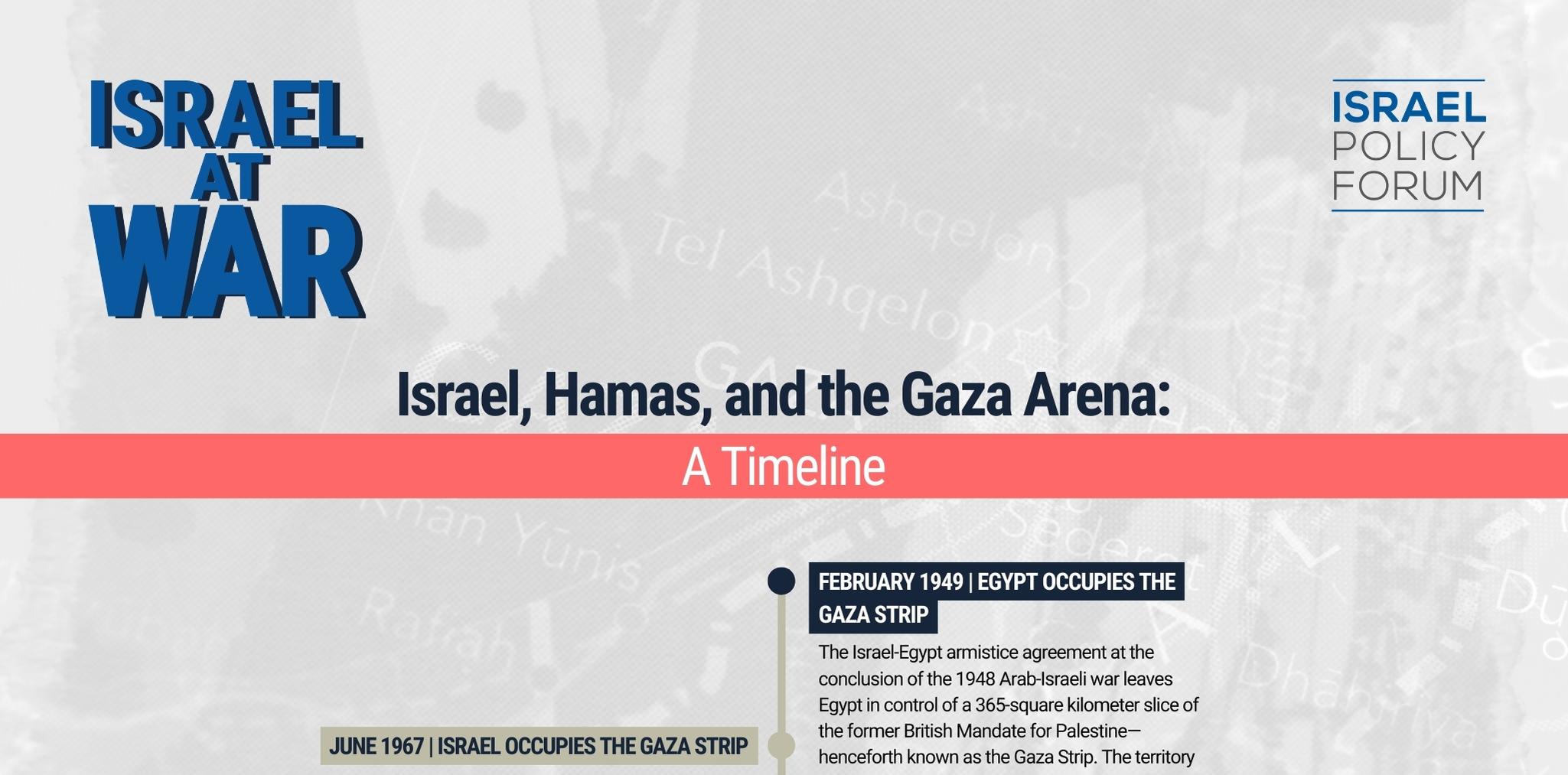
Our Israel at War Resource Hub has a compilation of our timely content, including a comprehensive timeline of the Israel-Hamas conflict, articles, infographics, podcasts, videos, and more.
The October 7 Hostage Crisis
Tracking the Status of Those Taken Captive
After the October 7 attack, 50 Israeli hostages remain in captivity in the Gaza Strip—at least 20 of whom are thought to be alive. This chart illustrates how the status of how each hostage has changed since the start of their captivity.
205 hostages have returned from Gaza, 146 of them alive and 59 dead. Of the living hostages freed, 95% (138) were released during ceasefires or one-off releases, while 8 were rescued by the IDF. Of 59 hostages whose bodies were recovered, 20 were killed by Hamas on October 7, 23 were killed in captivity, 1 was killed in 2014, and 7 were mistakenly killed by the IDF.
50 hostages remain in Gaza, 20 of whom are thought to be alive and 28 to be dead. The IDF has great concern for the lives of two others. Of the dead, 19 were killed on October 7, 8 were killed by Hamas in captivity, and 1 was killed in 2014. All of the remaining living hostages are men between the ages of 21 and 47.
FAQ on Israel-Hamas War:
Last updated June 18, 2024
Hamas
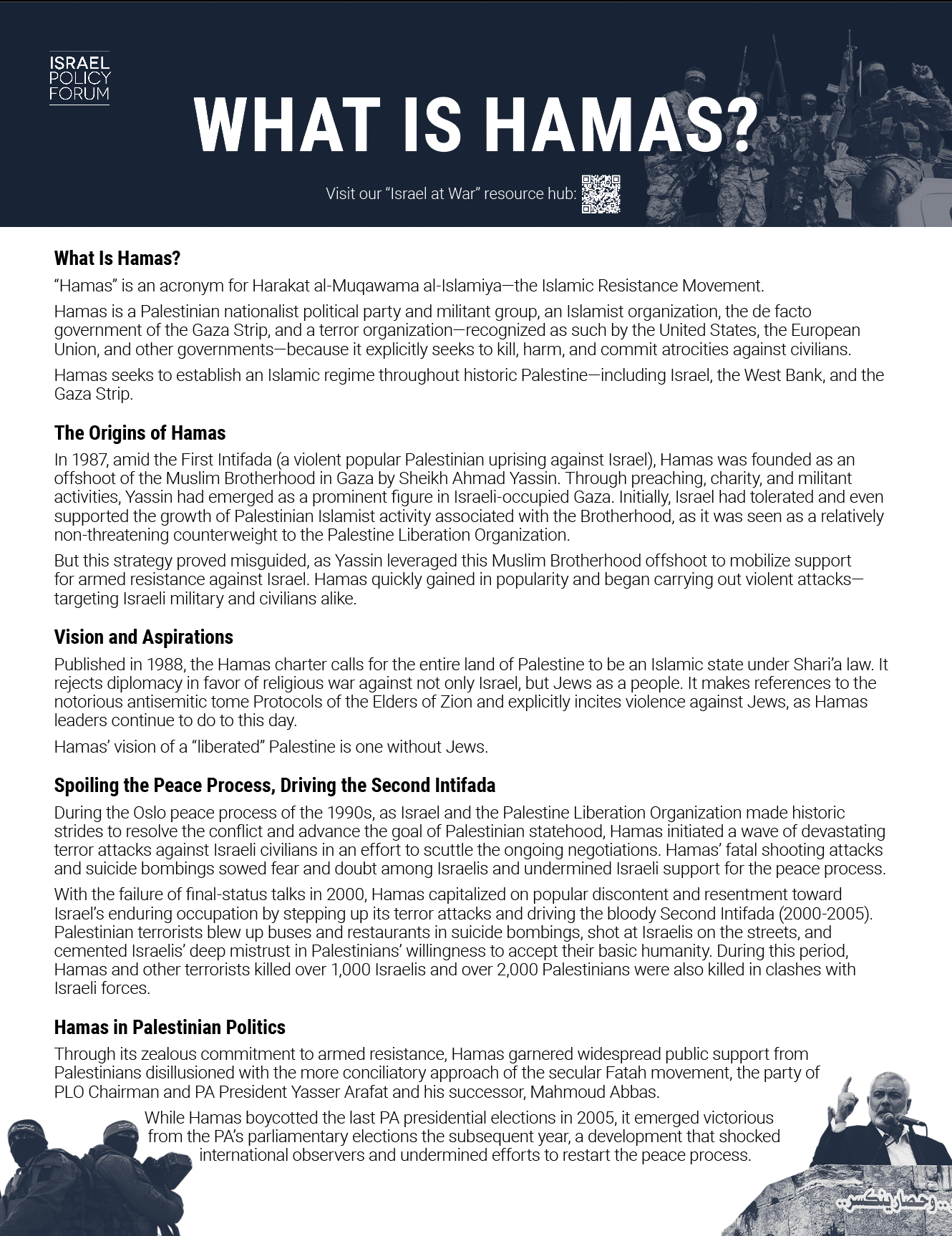
“Hamas” is an acronym for Harakat al-Muqawama al-Islamiya—the Islamic Resistance Movement. It is a Palestinian nationalist and Islamist organization that seeks to establish an Islamic regime throughout historic Palestine—including Israel, the West Bank, and the Gaza Strip.
Hamas simultaneously functions as a political party, a militant group, and the de facto government of the Gaza Strip. It is recognized as a terror organization by the U.S., the EU, and other governments because it explicitly seeks to kill, harm, and commit atrocities against civilians.
- Ismail Haniyeh, chairman of the Hamas political bureau (based in Qatar and Turkey)
- Saleh al-Arouri, deputy chairman of the Hamas political bureau (based in Lebanon)
- Khaled Meshaal, former chairman of the Hamas political bureau (based in Qatar)
- Yahya Sinwar, Hamas’ political leader in Gaza
- Mohammad Deif, commander of the Izz ad-Din al-Qassam Brigades (Hamas’ military wing)
- Marwan Issa, deputy commander of the Izz ad-Din al-Qassam Brigades
October 7 was the worst terror attack in Israeli history and the most fatal assault on the Jewish people since the Holocaust. Hamas has never before initiated an attack on this scale, which is part of the reason why it caught Israel so ill-prepared.
But Hamas has carried out many lethal terror attacks against Israeli civilians over the course of its history, in addition to several abductions. The organization served as a driving force of the rise in terror attacks Israelis faced during the Oslo Accords in the 1990s and the Second Intifada in the early 2000s.
Iran has provided financial, logistical, and political support to Hamas since the 1990s. Like Hizballah in Lebanon, the Houthis in Yemen, and various pro-Iranian militias in Iraq and Syria, Hamas forms a part of Iran’s so-called axis of resistance against Israel, the U.S., and the West. But Iran’s support for Hamas is more strategic than purely ideological, given Hamas’ adherence to Sunni Islam and Iran’s identification with Shi’ism.
Iran has invested substantially in Hamas and other proxies over the past several decades in order to project power throughout the Middle East, threaten Israel, and serve as a counterweight to the U.S. in the region.
Qatar, a small Arab monarchy on the Persian Gulf, took on a more prominent role in Gaza in the aftermath of Hamas’ 2006 victory in the Palestinian legislative elections and subsequent takeover of the Strip. Doha filled the gap as other countries withdrew aid to the Palestinians. The relationship deepened in 2012, amid the Syrian Civil War: Hamas sided with the Sunni opposition against Bashar al Assad’s regime, leading its Damascus-based leadership to relocate to Qatar. Beginning in 2014, Prime Minister Binyamin Netanyahu facilitated the provision of Qatari cash assistance to the Strip’s Hamas government in a bid to stabilize the territory and stave off territorial concessions by keeping the Palestinian leadership divided. Qatar also wields significant power to shape the narrative on the Israel-Hamas war in the Middle East and the West through its state-run media outlet Al Jazeera.
Turkey also shares close ties with Hamas—in fact, politburo chief Ismail Haniyeh may have been in Turkey on October 7. Relations between Israel and Turkey have been rocky in the past decade-and-a-half, with serious diplomatic spats over Israel’s treatment of the Palestinians, the killing of Turkish citizens in a contested skirmish aboard the aid vessel Mavi Marmara (which was carrying armed passengers attempting to breach Israel’s Gaza blockade), and Turkey’s hosting of Hamas leaders alongside President Recep Tayyip Erdogan’s enthusiastic rhetorical support for the terror organization. With the October attack and Israel’s military response, Erdogan has championed Hamas as a liberation movement in his messaging to the Turkish public.
Qatari and Turkish engagement with Hamas is not without controversy. Saudi Arabia, the UAE, Egypt, and Bahrain imposed a four-year blockade on the Gulf emirate—one of the Arab quartet’s demands on Qatar was a suspension of ties with Hamas and other Islamist groups. It is also a source of tension with the United States, all the more so since October 7. Doha and Ankara are both formal U.S. allies. Turkey has been a member of NATO since the 1950s, while President Biden designated Qatar as a Major Non-NATO Ally just last year. There is pressure, on the one hand, for Qatar (and, to a lesser extent, Turkey) to sever relations with Hamas—Secretary of State Antony Blinken demanded the end of “business as usual” between Doha and the Palestinian terror group. On the other hand, Qatar has leveraged its ties with Hamas, acting as an interlocutor to negotiate the release of Israeli hostages.
The Turkey-U.S.-Hamas triangle fits into a broader context of worsening Ankara-Washington relations, one of many points of contention including the stalled sale of F-16 fighter jets to Turkey, Swedish membership in NATO, and the Kurds in northern Syria.
Israel did not create Hamas, but it did inadvertently serve as one of the catalysts of its founding. In 1987, amid the First Intifada (a violent popular Palestinian uprising against Israel), Hamas was founded as an offshoot of the Muslim Brotherhood in Gaza by Sheikh Ahmad Yassin. Through preaching, charity, and militant activities, Yassin had emerged as a prominent figure in Israeli-occupied Gaza. Initially, Israel had tolerated and even financially supported the growth of Palestinian Islamist activity associated with the Brotherhood, as it was seen as a relatively benign counterweight to the Palestine Liberation Organization.
But this strategy proved misguided, as Yassin leveraged this Muslim Brotherhood offshoot to mobilize support for armed resistance against Israel. Hamas quickly gained in popularity and began carrying out violent attacks—targeting Israeli military and civilians alike.
While Israeli policy unintentionally helped lay the groundwork for Hamas, it is inaccurate to say that Israel created the terror organization.
Benjamin Netanyahu did not support Hamas per se, but he did advance policies that strengthened the militant group and its rule over Gaza. Following the 2014 Israel-Hamas war, Netanyahu began allowing suitcases with millions of dollars of cash from Qatar to enter Gaza for reconstruction and humanitarian aid, but also as an economic concession that benefited Hamas itself in exchange for quiet. Netanyahu acknowledged that this policy aimed to strengthen Hamas in order to weaken the PA and prevent Palestinian reconciliation. He reportedly even scuttled a deal that would have returned the PA to Gaza. Thus, Netanyahu and Hamas ultimately collaborated in maintaining a status quo that left Hamas in control in Gaza.
The answer is complicated. On the electoral front, many public figures claim that Gaza’s Palestinians voted for Hamas. Nearly half of Gaza’s population is under 18, meaning they were either infants or not alive in 2006, when Hamas won in the last Palestinian legislative election held to date. Hamas was not elected specifically to rule Gaza, only seizing the territory after the Palestinian Authority rejected the outcome of the vote.
In terms of current public opinion, support varies based on the circumstances. A month before the October 7 attack, the Palestinian Center for Policy and Survey Research found that 44% of Gaza Palestinians would vote for Hamas if new parliamentary elections were held (compared with 32% for Fatah).
It is important in considering Palestinian views on Hamas that the group administers a dictatorship in Gaza. As under any undemocratic regime, people in the Strip have few, if any, avenues for recourse with their leaders. According to PCPSR, 59% of Gaza Palestinians feel they cannot freely criticize the Hamas authorities without fear.
The Israeli Domestic Angle
On October 7, Israel’s intelligence services had the technical capabilities to understand the magnitude of the impending attacks before or as they began, which likely would have saved many lives. But the security agencies did not mobilize in time simply because it did not see an attack on that scale as within the realm of possibility. Hamas was assumed to be deterred from striking Israel following the destruction Israel caused to its military capabilities during the previous Israel-Hamas war in May 2021, and due to Israeli economic carrots that incentivized stability.
The security establishment was thus preoccupied with other arenas, including rising tensions in the north with Hizballah and a rise in Palestinian terrorism and ascendent settler movement deep in the West Bank, and not fully paying attention to what was happening in Gaza. According to a report in the New York Times, Israeli intelligence was not even listening to Hamas’ hand-held radios, which could have tipped them off.
Egyptian intelligence also reportedly informed Israel several days before October 7 that Hamas was planning a large-scale attack, but Israel did not heed the warnings.
Before October 7, tens of thousands of Israelis had been taking to the streets weekly since February to demonstrate against the Netanyahu government’s controversial bid to weaken the judiciary. One of the key constituencies represented in the protest movement was military reservists, many of whom announced a suspension of their military service due to concerns of democratic erosion.
Since October 7, the protest movement has come out in force to support Israeli society during the war and provide essential services amid the crisis. Protest organizations like Brothers in Arms have mobilized to attend to the needs of internally displaced Israelis and fill gaps in the workforce left by army reservists.
Netanyahu and his government were unpopular prior to October 7, but they are even more so now. Polls from Maariv and other sources show that Netanyahu’s Likud party would lose more than half of Knesset seats in the event of new elections and only 27% of Israelis think that Netanyahu is more suitable to be prime minister than Benny Gantz, a centrist rival.
Despite widespread outrage at Netanyahu and the government’s culpability in Israel’s ill-preparedness on October 7, Netanyahu—unlike key security officials—has been unwilling to apologize or accept responsibility, and has repeatedly stressed that such accountability will only come after the war is over.
We have not seen heightened inter-ethnic tensions in Israel as we did during Operation Guardian of the Walls in May 2021. Hamas did murder and capture Arab citizens of Israel on October 7, and prominent figures in Israel’s Arab community, including Ra’am leader Mansour Abbas, have come out forcefully to condemn Hamas. There have been several incidents of racially motivated violence and incitement, including a crowd chanting “death to Arabs” at a college in Netanya, but such events do not yet constitute a full-fledged front of the conflict.
Jerusalem has also remained relatively quiet as an arena of the conflict. We have not seen large-scale clashes between Israeli police and Palestinians or heightened tensions around the Temple Mount. A Border Police officer was stabbed to death by a 16-year-old Palestinian in Jerusalem on November 6, but the city has not witnessed a major security escalation or a significant rise in terror.
The Hostages and the Hostilities
The IDF has stated that about 240 hostages were captured on October 7 and taken to Gaza, including men, women, children, and elderly, as well as a handful of non-Israelis.
Currently, there are 120 hostages still in Gaza, with Hamas telling the media that they do not know how many of them are still alive.
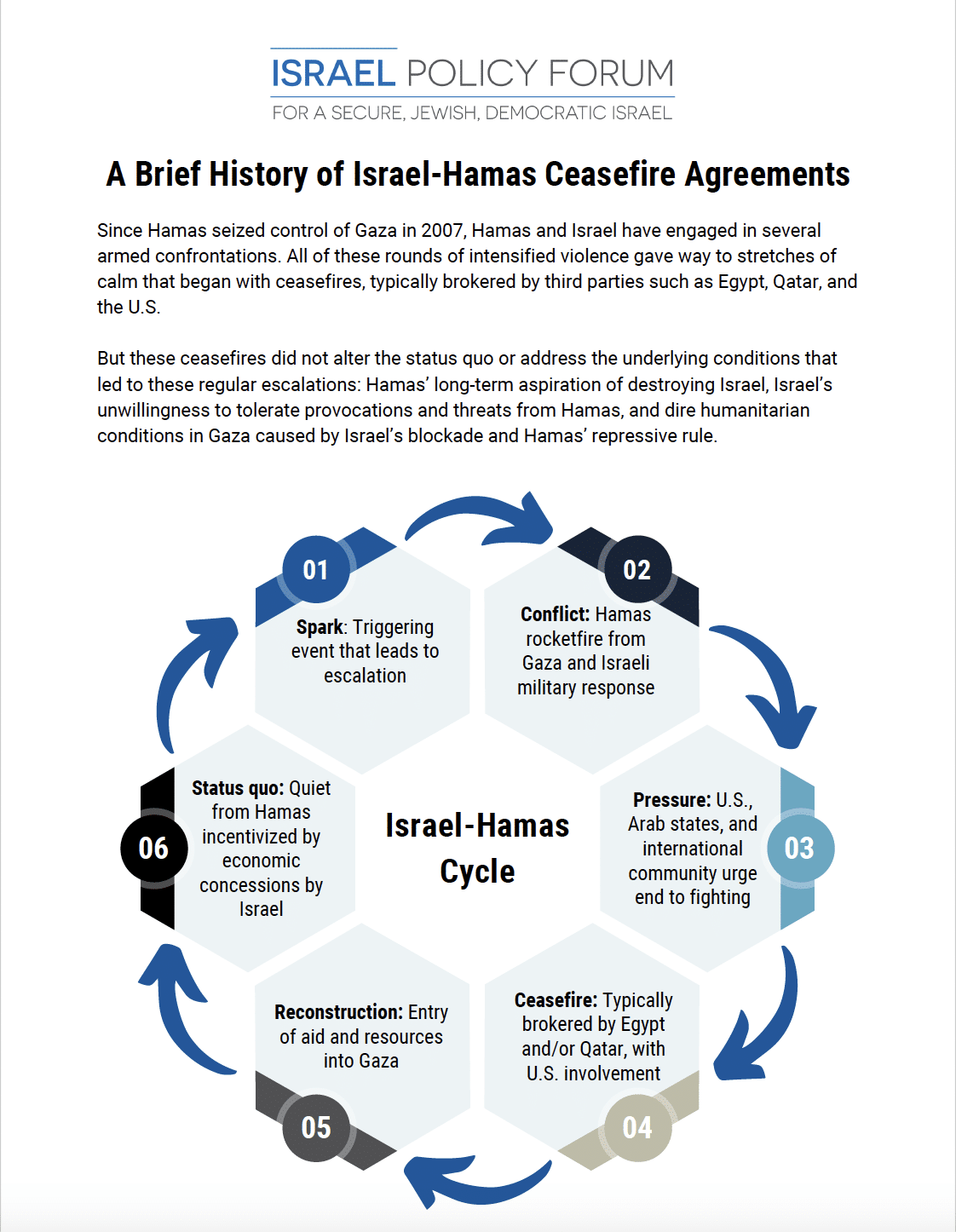
In November 2023, Israel and Hamas agreed to a hostage and temporary ceasefire deal, which freed 105 Israeli hostages in exchange for the release of hundreds of Palestinian prisoners and a six-day pause in fighting.
In addition to the deal, 11 hostages have been freed. Hamas released Nurit Cooper (79), Yocheved Lifshitz (85), and Judith and Natalie Ra’anan (59 and 17). The IDF has freed Ori Megidish (19), Fernando Marman (61), and Louis Har (70). On Saturday, June 8, Israeli forces successfully rescued four hostages—Noa Argamani (26), Almog Meir Jan (21), Andrey Kozlov (27), and Shlomi Ziv (40)—from Nuseirat in central Gaza.
In the weeks since October 7, the families of those held hostage have escalated their pressure on the Israeli government to work to secure the hostages’ release, including by holding protests in Tel Aviv and Jerusalem and sharply critiquing Prime Minister Netanyahu and his government’s handling of the crisis. Many have been critical of a military response initially focused more on defeating Hamas than returning the hostages.
According to National Security Advisor Jake Sullivan, there are still nine Americans missing after the October 7 attack, in addition to one U.S. permanent resident. They are presumed to be held hostage in Gaza.
At the outbreak of the conflict, there were about 400 U.S. citizens—mostly Palestinian-Americans—in Gaza. For the war’s initial weeks, they and other foreign nationals were unable to leave Gaza due to Hamas preventing them from doing so, according to U.S. officials. Beginning on November 1, thousands of U.S. and other foreign nationals have begun leaving the Strip with Israel and Hamas’ approval, thanks to Qatari mediation.
Israel has repeatedly rejected calls for a ceasefire, given Hamas’ clearly stated intention to repeat the October 7 massacre once given the opportunity. A new consensus has emerged in Israel around the existential need to put a decisive end to Hamas’ regime in Gaza. The Biden administration has continued to back Israel’s military response in Gaza and has similarly dismissed the possibility of a ceasefire at this stage. The issue has divided Israel’s European allies, with French President Emmanuel Macron calling for a ceasefire—citing the high death tolls in Gaza—while Germany and the UK have continued to support Israel’s current approach. The Arab world, including Israeli partners, has been virtually unanimous in calling for an end to Israel’s military campaign.
The Biden administration has, however, expressed support for multi-day humanitarian pauses in the fighting in order to facilitate the evacuation of Palestinians from active conflict zones, the delivery of humanitarian aid, and the release of hostages. Israel has rejected multi-day pauses, citing concerns that Hamas could take advantage of them to mobilize, but has implemented limited daily four-hour pauses in specific northern Gaza neighborhoods to enable safe evacuation.
Over 80 injured Gaza residents have been allowed to enter Egypt temporarily for medical treatment, but a large-scale evacuation has not taken place. Both Egypt and Palestinians reject the prospect of Palestinians fleeing Gaza amid the conflict. Such an image would trigger memories of the Nakba (the Palestinian flight and expulsions of 1948) and fears that they would be unable to return. Far-right members of Netanyahu’s coalition (who currently have little influence of Israel’s wartime policy) have also expressed support for expelling Palestinians for Gaza, underscoring fears across the Arab world of this war resulting in a second Nakba.
The West Bank
PA President Mahmoud Abbas has refrained from condemning the Hamas attacks on October 7 and has repeatedly stressed his opposition to Israel’s military response. He and other PA officials have affirmed their unwillingness to cooperate with Israel in returning to Gaza unless part of a comprehensive solution that addresses the West Bank as well.
While Hamas is the chief political rival of Abbas’ Fatah party, he faces considerable domestic pressures to portray himself as opposed to Israel rather than Hamas, given the broad support that armed resistance against Israel has among West Bank Palestinians. Palestinians have also come out to protest Abbas since October 7 given the PA’s collaboration with Israel.
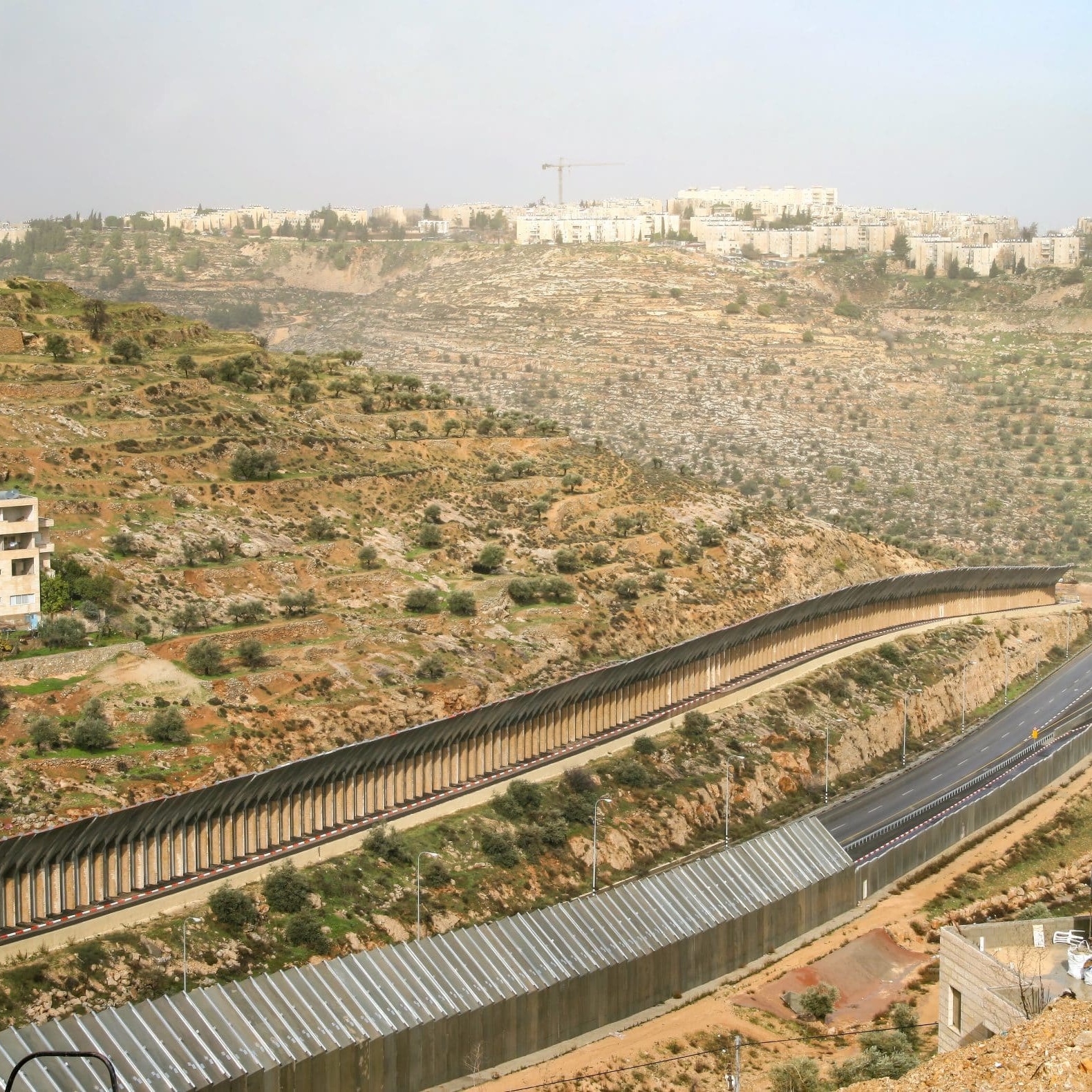
Since October 7, there has been a dramatic rise in incidents of settler violence against Palestinians in the West Bank, with a particular focus on small Palestinian shepherding communities located in Area C (the 60% of the West Bank that Israel administers directly). Settlers, sometimes in IDF uniform, have violently attacked Palestinians, destroyed agricultural fields and property, and threatened violence against Palestinians with the goal of expelling them from their homes. According to the U.N. Office for the Coordination of Humanitarian Affairs, at least 10 Palestinians have been killed by settlers.
The Israeli military and government have not meaningfully addressed this rising tide of settler violence. It is also notable that far-right figures within the government have openly expressed support for such attacks in the past and incited against political and military leaders who condemn them.
The Regional Angle
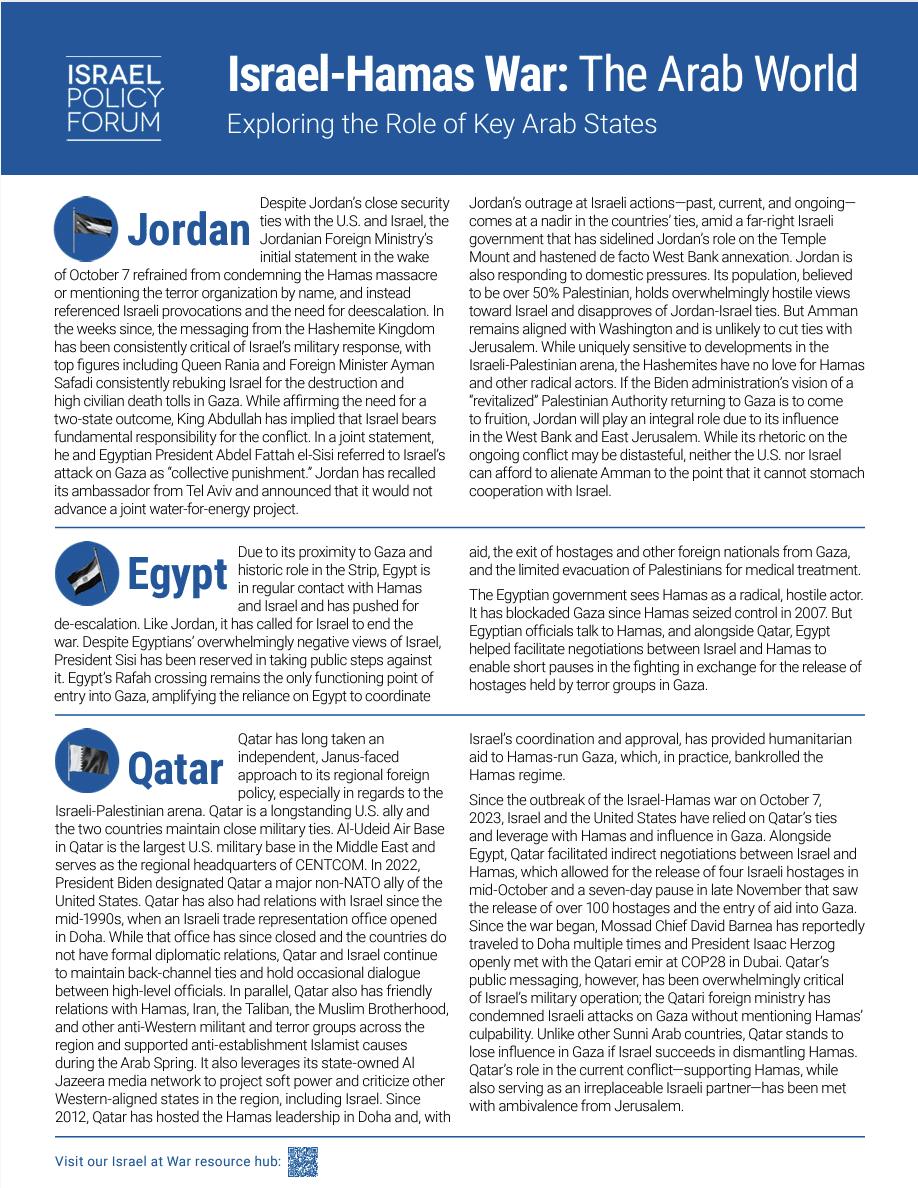
Egypt and Jordan both play an essential role in the Israeli-Palestinian arena given their historic influence and proximity to Gaza and the West Bank (respectively) and their normalized diplomatic relations with Israel.
Both countries have been sharply critical of Israel’s military response to the October 7 attacks. Egyptian President Abdel Fattah el-Sisi has called for a ceasefire and condemned Israel’s “collective punishment” of Gaza. King Abdullah II of Jordan has placed fundamental blame for the conflict at Israel’s feet, notwithstanding the Hamas massacre, and has also echoed calls for a ceasefire. Several weeks into the conflict, Jordan also recalled its ambassador from Tel Aviv. Like other Arab governments, Egypt and Jordan face tremendous domestic pressure to be seen as advocating for the Palestinian cause and opposing Israel’s actions in Gaza.
Egypt has also played an essential role in facilitating the transfer of humanitarian aid to Gaza given its land border with the Strip.
How is the war in Gaza impacting Israel’s ties with the Arab states that signed the Abraham Accords?
Bahrain and the UAE both condemned the murder and abduction of Israelis by Hamas in the wake of the October 7 attacks. In the weeks since, both countries have condemned Israel’s military response and called for a ceasefire. Bahrain also confirmed that its ambassador left Tel Aviv and Israel’s departed Manama, although it is not clear on what terms. The UAE has not made any moves that suggest a downgrade in ties and reportedly does not intend to do so.
Morocco, meanwhile, has maintained its ties with Israel despite significant domestic outrage at the war in Gaza. King Mohammed VI has called for de-escalation and a ceasefire in order to advance the goal of a two-state outcome.
Prior to October 7, Saudi Arabia and Israel were reportedly moving closer to a U.S.-brokered normalization deal. With the conflict ongoing, Saudi Arabia has frozen those discussions, although the kingdom has not suggested a change of course on that issue in the long term. Meanwhile, the Saudis have sought to position themselves as a forefront of the regional diplomatic response by hosting a special joint summit of the Arab League and the Organization of Islamic Cooperation that included traditional Saudi (and Israeli) adversaries, such as Iranian President Ebrahim Raisi and Syrian President Bashar al-Assad. But the kingdom’s détente with the Iranian regional axis began prior to October 7 and does not represent a fundamental shift in the Saudis’ regional interests. Meanwhile, Saudi Arabia has joined its Arab neighbors in calling for a ceasefire and the withdrawal of Israel’s troops from Gaza.
The Houthis are a Zaydi Shiite group in Yemen that makes up about 35% of the country’s populations. Houthi militants aligned with Iran have been fighting a civil war against the internationally recognized Yemeni government since 2014 and control the capital city of Sana’a. Like other Iran-backed groups, opposition to Israel’s existence forms a key component of the Houthis’ ideology.
Since October 7, Houthi militants have launched over 200 drones and missiles at Israel since the conflict began. Most are intercepted by Israel, the U.S., and Saudi Arabia.
On July 19, in an unprecedented strike on central Israel, an Iranian-made drone launched by the Houthis hit a building in Tel Aviv, killing one man. This marked the first Houthi attack on Israel that succeeded in hitting a target. According to the IDF, the military failed to intercept the drone due to a “human error.” In response, Israel launched missiles at the Houthi port of Hodeidah, a key lifeline for the terror group. This strike, Israel’s first on Yemeni soil, hit a depot storing 150,000 tons of fuel.
The Houthis’ attacks represent an effort on behalf of the Houthis to demonstrate solidarity with Hamas and the Palestinians and highlights the threat that this additional front could pose to Israel going forward.
Since October 7, Hezbollah and other terror groups based in southern Lebanon have stepped up their rocket, missile, mortar, and shooting attacks at Israeli military and civilian targets in northern Israel. The IDF has responded to these provocations and engaged in limited clashes with the militants and Israel has evacuated all civilian communities within four kilometers of the border. But the arena has not yet escalated to the scale of what is occurring in Gaza; Hizballah has not launched a full-scale attack against Israel, nor has Israel moved to eliminate the threat Hizballah poses to its civilians by invading Lebanon. Contrary to Hamas’ apparent intentions, October 7 has not led to a full-scale war in Lebanon. Hezbollah Secretary-General Hassan Nasrallah claims he did not know about Hamas’ invasion in advance. Despite having an interest in taking advantage of the situation to show support for Palestinian resistance and strike Israel when it is preoccupied, Hezbollah may also be deterred from further action by the U.S. and domestic pressures within Lebanon.
On several occasions both Israel and Hezbollah carried out attacks that crossed the other side’s red lines, leading to moments of heightened tension that threatened to escalate the conflict into a wider war. This includes Israeli strikes on targets in Lebanon beyond Hezbollah military targets in the south or fatal Hezbollah attacks on civilian areas in Israel that have not been evacuated. The latest incident took place on July 27, when a Hezbollah rocket hit a soccer field in the Druze town of Majdal Shams in the Golan Heights, killing 12 Druze children. In response, Israel assassinated senior Hezbollah official Fuad Shukr in a strike on Beirut’s Dahiyeh quarter, a stronghold of the terror group. Hours later, Israel remotely detonated a bomb in Tehran that killed Hamas political leader Ismail Haniyeh. This chain of events will likely prompt a response from Iran or Hezbollah that could advance a wider regional war.
While Hamas receives financial and operational support from Tehran, U.S. intelligence has not suggested direct Iranian coordination with Hamas in the October 7 attack. It is possible that Iran and its other proxies were not informed in advance of Hamas’ intentions to initiate this conflict. Hezbollah in Lebanon and the Houthis in Yemen have carried out limited attacks and provocations against Israel in a show of support for Hamas and Iran-backed militias in Iraq and Syria have stepped up their attacks on U.S. forces in the region. Messaging from Iran and Hezbollah suggest that they want to avoid a wider war for the time being. Meanwhile, Iran continues to fund and arm its proxies to attack Israel, albeit at a limited intensity.
On April 13, Iran launched an unprecedented aerial attack against Israel in response to the April 1 strike on the Iranian embassy compound in Damascus that killed IRGC commander Mohammad Reza Zahedi. In the face of this assault, Israel, the U.S., Jordan, and other European and Arab allies coordinated to successfully intercept the majority of Iran’s missiles and drones, preventing them from inflicting significant damage on the ground. Israel responded with a limited strike on Iran that allowed the episode to de-escalate. So far, this marks the only incident of a direct Iranian attack on Israel since October 7.
On July 31, Israel assassinated Hamas political leader Ismail Haniyeh by remotely detonating a bomb in his residence in Tehran, where he was attending Iran’s presidential inauguration. This strike in Iran’s capital—which came hours after Israel assassinated Hezbollah deputy Fuad Shukr in Beirut in response to Hezbollah’s killing of 12 Druze children in the Golan days earlier—will likely prompt a response from Iran that could bring the region closer to a regional war.
The Role of the U.S.
President Biden has consistently expressed support for the Israeli people in the wake of October 7 and has emphasized Israel’s right and responsibility to eliminate the threat posed by Hamas. He presented a $106 billion national security aid package to Congress that includes $14 billion in additional security assistance for Israel and $9 billion in humanitarian aid for Palestinians in Gaza amid the ongoing war. Simultaneously President Biden visited Israel in the aftermath of October 7 for meetings with Israel’s leaders and the families of those taken hostage and has stressed his personal commitment to securing their release. Secretary of State Antony Blinken, National Security advisor Jake Sullivan, and other administration officials have been shuttling between Israel, the Palestinian Authority, and other Arab capitals to advance progress on freeing the hostages, address the humanitarian crisis in Gaza, and bolster regional cooperation with an eye toward Gaza’s future. Simultaneously, both through rhetoric and by sending aircraft carriers and a nuclear submarine to the Eastern Mediterranean, President Biden has delivered a clear and consistent message to Israel’s adversaries, including Iran, not to escalate the conflict.
In the immediate aftermath of October 7, the U.S., UK, France, Germany, and Italy issued a joint letter expressing horror at the Hamas attacks and strong support for Israel and its self-defense. In the weeks since, given high death tolls in Gaza, there have been growing calls from across the Western world for Israel to cease its military response immediately, without defeating Hamas or freeing the hostages. These increasingly loud voices have put pressure on Western governments to push for a ceasefire. While Germany, the UK, and Canada, for instance, have largely stood with the Biden administration in emphasizing Israel’s enduring right to defend itself, other key allies, including France and all U.S. partners in the Arab world, have echoed calls for a ceasefire.
The U.S. has also been working with its allies to facilitate the delivery of humanitarian aid to Palestinians in Gaza and put pressure on Hamas, Hizballah, and other Iranian proxies to refrain from further escalating the conflict.
The U.S. has been unequivocal in its support for Israel amid the war in Gaza and has emphasized its right to dismantle Hamas. But the issue of what comes after Hamas in Gaza has emerged as a notable point of divergence between Washington and Jerusalem. The Biden administration has repeatedly stressed the need to rehabilitate the Palestinian Authority and facilitate its return to Gaza, as the most realistic option that would avoid indefinite Israeli occupation or a Hamas resurgence. Prime Minister Netanyahu, meanwhile, has rejected the PA returning to Gaza given President Abbas’ refusal to condemn Hamas.
The United States has repeatedly leveraged its relationship with Israel to push for measures to alleviate the humanitarian crisis in Gaza. It has successfully pushed Israel to allow the entry of humanitarian aid and limited fuel into Gaza, limit its aerial strikes in southern Gaza where displaced civilians are seeking refuge, and implement limited local pauses in the fighting to enable the safe evacuation of civilians. The aid package President Biden submitted to Congress to support Israel during the war includes $9 billion in humanitarian aid for Gaza. Meanwhile, the Biden administration has also emphasized the need for a credible plan to facilitate the return of the Palestinian Authority to Gaza, to prevent an enduring Israeli occupation of the Strip or a return to the status quo ante that preceded the current war.
The Biden administration and most members of Congress have rejected calls for a ceasefire. The U.S. has stressed the need for humanitarian pauses in the fighting to facilitate the entry of aid and to alleviate the crisis in Gaza. But Washington remains aligned with Jerusalem in the view that an outcome of the war that maintains Hamas in power in Gaza is not an option.
On October 7, 2023, Israelis faced the unthinkable when Hamas militants breached the Gaza border, carried out a violent rampage, took hundreds of Israelis hostage, and indiscriminately slaughtered at least 1,200 people—mostly civilians, many of them women, children, and elderly. These attacks resulted in the most Jews killed in a single day since the Holocaust.
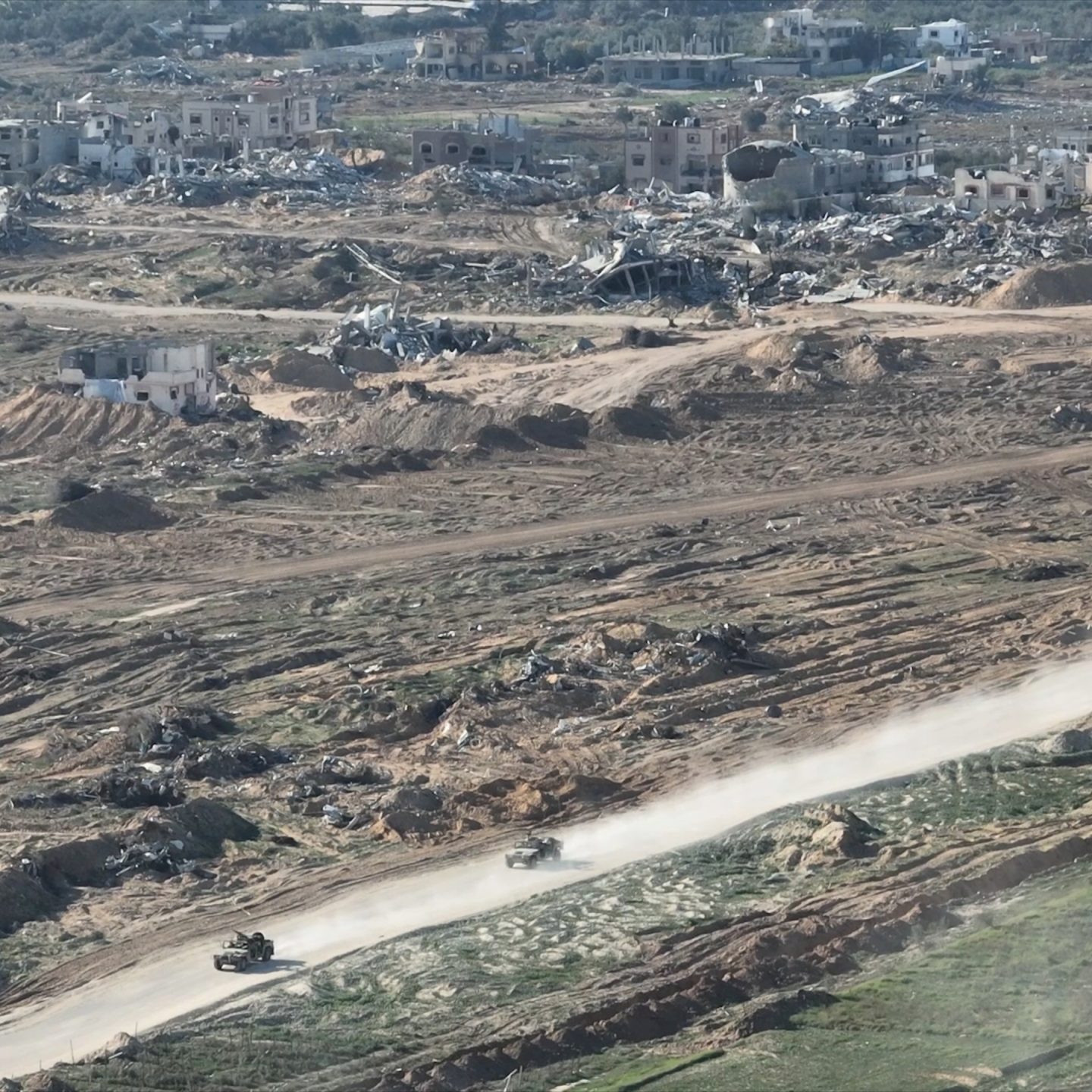
This interactive map illustrates the extent of Hamas’ invasion of Israeli territory and the cataclysm that residents of Israel’s Gaza envelope communities faced on October 7, and Israel’s unfolding war against Hamas in Gaza.

Koplow Column:
Israel Policy Forum’s weekly Koplow Column from the desk of Chief Policy Officer Michael Koplow provides nuanced commentary on the Israel-Palestinian conflict, U.S.-Israel relations, Israeli politics, the future of the two-state outcome, and the American Jewish community.




Israel Policy Pod:
A podcast hosted by Tel Aviv-based journalist and Israel Policy Forum Advisor Neri Zilber with featured guests to help you unpack developments from Israel and the region.
Israel Policy Exchange:
Israel Policy Forum’s outlet for expert commentary and analysis on U.S.-Israel relations, Israeli-Palestinian diplomacy, Israeli politics and society, and the regional politics of the Middle East.


Israel Policy Briefings:
We convene top journalists and policy experts to provide timely resources, information, commentary, and analysis.






Policy Reports:

Short Videos:




Israel Policy Forum Experts In the News:
Related Events:
Statements:



This interactive map is intended to be viewed on a desktop. A mobile version is in development.
Please note that the information in this interactive map is based on data from the IDF, researcher Shaul Arieli, and other media reports as of December 20, 2023.